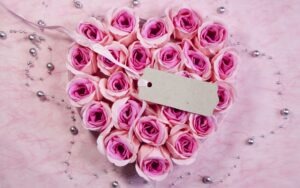
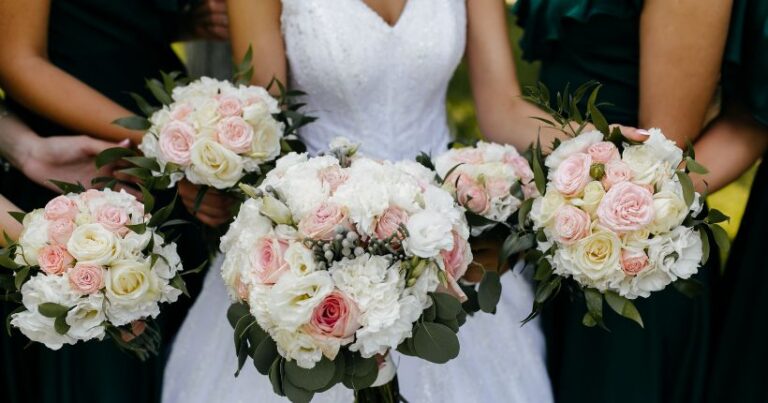
Choosing wedding flowers can feel truly overwhelming. Of course, you want the most perfect bouquet for your special day. And if you want roses in particular, things can get even more complicated.
Roses come in so many shapes, sizes, and personalities. Classic or modern. Soft and romantic or clean and sculptural. But the good news is that once you understand the types of roses for wedding bouquets, the decisions start to feel a lot more intuitive.
This guide breaks it all down in a way that’s easy, visual, and practical. From popular rose varieties to bouquet shapes, color choices, and simple design tips, you’ll find everything you need to choose roses that truly fit your wedding style, not just the trends of the moment.
Why Roses Are A Top Choice For Wedding Bouquets
There’s a reason roses never really leave the wedding world. Trends come and go, but roses stay. They’re familiar without feeling boring, elegant without trying too hard, and endlessly adaptable to different styles and settings.
Timeless beauty and rich symbolism
Roses carry a meaning that people instantly recognize. Love, commitment, admiration, devotion. The meaning of roses in wedding flowers feels intuitive, even for guests who don’t know a thing about florals. A rose bouquet signals romance and intention in a way few flowers can.
That emotional clarity is part of why roses have become classic roses for weddings. They photograph beautifully, age well stylistically, and still feel relevant decades later.
A wide range of colors and shapes
From crisp whites to soft blush, deep reds, warm peaches, and even variegated tones, roses offer one of the widest palettes available. When it comes to rose colors for wedding bouquets, there’s room for tradition, creativity, and everything in between.
Shape matters too. Full garden roses, delicate spray roses, structured hybrid teas. This variety makes it easy to build everything from soft, romantic bouquets to more modern, sculptural designs using different wedding bouquet rose types.
Long vase life (and a calm wedding day)
Roses are known for their durability. They hold up well during long wedding days, from early prep to late-night dancing. That reliability makes them some of the best roses for wedding bouquets, especially when timing and temperature aren’t always predictable.
For couples, it also means less stress. Your bouquet looks good longer. Period.
For both luxury arrangements and simple natural bouquets
Roses don’t belong to just one aesthetic. They work beautifully in high-end, formal designs and feel just as right in loose, organic arrangements.
That’s why you’ll see them everywhere, from grand ballroom installations to intimate outdoor ceremonies. Whether you’re drawn to luxury roses for weddings or something more relaxed and understated, roses adapt without losing their charm.
Easy to pair with greenery and complementary blooms
Roses play well with others. Eucalyptus, olive branches, ranunculus, lisianthus, peonies. They blend seamlessly into mixed floral arrangements with roses for weddings, adding structure and softness at the same time.
This flexibility is a big reason florists love them. It makes designing cohesive bouquets and arrangements easier, no matter the overall vision or season.
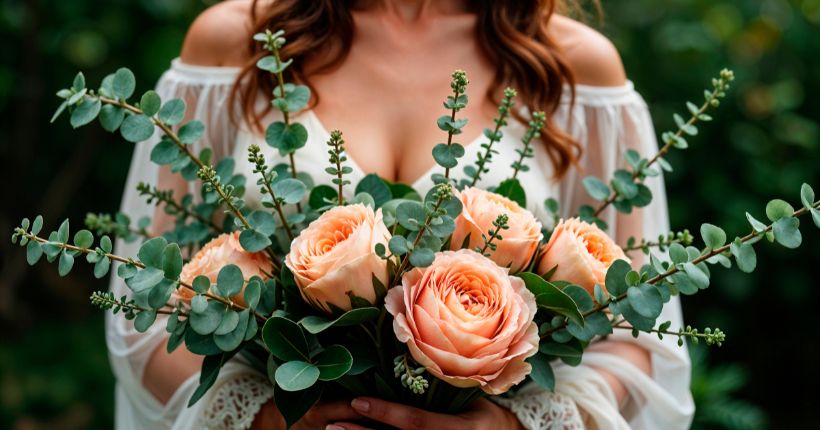
Types Of Roses For Wedding Bouquets: The Most Popular Varieties
Not all roses are created equal, especially when it comes to weddings. Different varieties bring different looks, textures, and personalities to a bouquet. Knowing the basics makes it much easier to choose roses that match your style, your venue, and the overall mood you’re going for.
Here’s a closer look at the most popular wedding rose varieties, and why florists reach for them again and again.
Garden Roses
Garden roses are full, layered, and softly ruffled. They’re often what people picture when they imagine a romantic bridal bouquet. With their open shape and lush petals, they add instant volume and movement.
They’re a favorite for couples drawn to romantic rose varieties for weddings, especially for classic, vintage, or garden-inspired celebrations. Garden roses also pair beautifully with airy greenery and other soft blooms, which is why they’re often considered some of the best roses for wedding bouquets when texture matters.
Spray Roses
Spray roses feature multiple smaller blooms on a single stem. They’re charming, versatile, and great for adding detail without overwhelming a design.
Florists love spray roses for bridal arrangements because they fill gaps naturally and create a more relaxed, organic feel. They work especially well in hand-tied bouquets, bridesmaid arrangements, and floral accents where you want softness and continuity.
Hybrid Tea Roses
Hybrid tea roses are the classic long-stem roses most people recognize. They have a single, defined bloom and a more structured silhouette.
These roses are ideal for clean, elegant designs where simplicity is key. They’re often used in traditional bouquets and formal arrangements and remain one of the most recognizable rose names for bridal bouquets thanks to their timeless look.
English Roses
English roses combine the fullness of garden roses with a slightly more refined shape. They’re romantic, but polished. Soft, but intentional.
They’re a go-to choice for couples who want that lush, layered look without going overly wild. English roses fit beautifully into both classic and modern designs, making them a versatile option among wedding bouquet rose types.
David Austin Roses
David Austin roses are a specific category of English roses, and they’re especially beloved in the wedding world. Known for their intricate petal structure and soft, often fragrant blooms, they bring a sense of luxury without feeling flashy.
These roses are frequently chosen for high-end weddings and editorial-style bouquets. If you’re looking for luxury roses for weddings that still feel romantic and timeless, David Austin varieties are hard to beat.
Specialty Roses
Specialty roses offer something a little unexpected. This category includes variegated roses with subtle color variation, reflexed roses with artfully opened petals, and premium Ecuadorian roses prized for their large heads and rich tones.
These unique rose types for bridal flowers are often used as statement pieces. They add depth, personality, and a custom feel to bouquets, especially for couples who want something distinctive without straying too far from tradition.
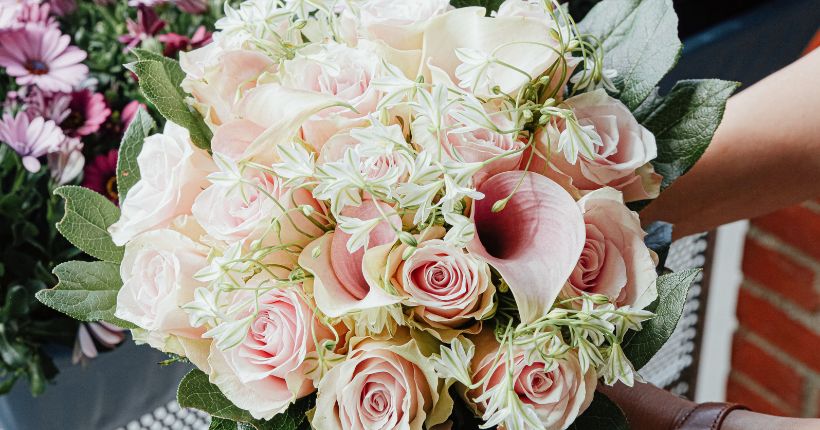
Choosing Rose Types Based On Wedding Style
Your wedding style does a lot of the decision-making for you. Once you know the overall vibe, choosing the right roses becomes much easier. Certain varieties naturally lend themselves to specific looks, without forcing anything.
Classic Or Elegant Weddings
For timeless, polished weddings, structure matters. Hybrid tea roses, English roses, and refined David Austin varieties work beautifully here. Their clean shapes and balanced proportions suit formal venues, traditional gowns, and classic color palettes.
These are the kinds of wedding bouquet rose types that feel composed and confident. Think white, ivory, blush, or soft pink, arranged with intention rather than excess.
Romantic, Vintage, Or Fairytale Weddings
If your inspiration leans romantic, nostalgic, or storybook, fuller roses are your best friend. Garden roses and David Austin roses bring softness, texture, and movement that feel straight out of a painting.
These romantic rose varieties for weddings shine in loose bouquets, trailing ribbons, and layered arrangements. Blush tones, muted pinks, and gentle peaches tend to feel especially at home in this style.
Rustic, Organic, Or Outdoor Weddings
Outdoor and nature-forward weddings call for roses that feel relaxed rather than refined. Spray roses and open garden roses fit naturally into this setting.
They pair easily with greenery, wildflowers, and seasonal blooms, making them ideal for hand-tied bouquets and organic designs. If you’re planning an outdoor ceremony, these roses help everything feel effortless and grounded.
Minimalist Or Modern Weddings
Modern weddings often benefit from restraint. Fewer flowers. Strong shapes. Clear color choices.
Hybrid tea roses or specialty roses with reflexed petals work well here, especially when used sparingly. Crisp whites, soft nudes, or a single bold color can make a powerful statement. In this case, roses aren’t about abundance. They’re about intention.
Choosing roses this way isn’t about rules. It’s about alignment. When the rose variety matches the wedding style, the bouquet simply feels right.
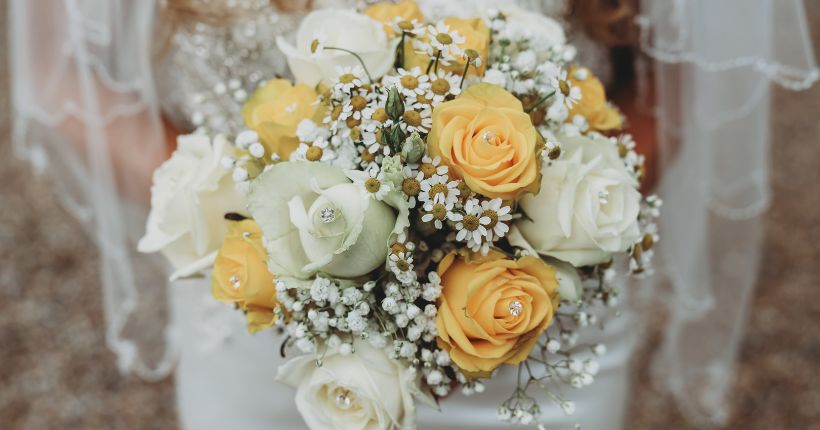
Wedding Bouquet Shapes And The Roses That Fit Them
Bouquet shape changes everything. It affects how the flowers move, how the bouquet photographs, and how it feels to carry. Some roses naturally suit certain shapes better than others, and knowing that makes design choices feel much more intuitive.
Round Bouquet
Round bouquets are structured, balanced, and timeless. They’re often associated with classic and elegant weddings, where symmetry and polish matter.
Hybrid tea roses and English roses work especially well here. Their defined blooms create a clean outline, while garden roses can be added for softness and depth. This shape highlights the rose itself, making it ideal if you’ve chosen standout rose names for bridal bouquets and want them to take center stage.
Cascading Bouquet
Cascading bouquets are dramatic and romantic by nature. They’re designed to flow, with flowers spilling gently downward in a way that feels old-world and expressive.
Garden roses and David Austin roses are perfect for this shape. Their open faces and layered petals create movement, while spray roses help soften transitions and fill space naturally. Cascading bouquets often shine in formal venues or fairytale-style weddings where abundance feels right.
Hand-Tied Bouquet
Hand-tied bouquets feel relaxed and personal. They’re loosely arranged, easy to hold, and popular for outdoor, rustic, or organic weddings.
Spray roses and garden roses are ideal here. Their natural growth patterns and varied bloom sizes give the bouquet that just-picked look. These styles work beautifully when paired with greenery and seasonal accents, making them a favorite for couples who want effortless charm over perfection.
Statement Bouquet
Statement bouquets are bold by design. They’re meant to stand out, whether through size, color, or unique flower choices.
Specialty roses like reflexed roses, variegated varieties, or premium Ecuadorian roses shine in this role. Used intentionally, they create a strong visual impact and elevate the bouquet into a true design element. In these cases, the bouquet isn’t just an accessory. It’s part of the overall look.
Color Choices For Wedding Roses
Color sets the mood before a single word is spoken. It’s often the first thing people notice, and it quietly shapes how the bouquet feels in the context of the day. When thinking about rose colors for wedding bouquets, it helps to focus less on rules and more on atmosphere.
White Roses
White roses are timeless for a reason. They feel clean, calm, and intentional, which makes them a natural fit for weddings of all styles.
They’re often chosen for classic, elegant ceremonies, but they also work well in modern or minimalist settings. White roses also pair beautifully with almost any greenery or accent bloom, making them incredibly versatile for both bouquets and larger floral installations.
Blush And Soft Pink Roses
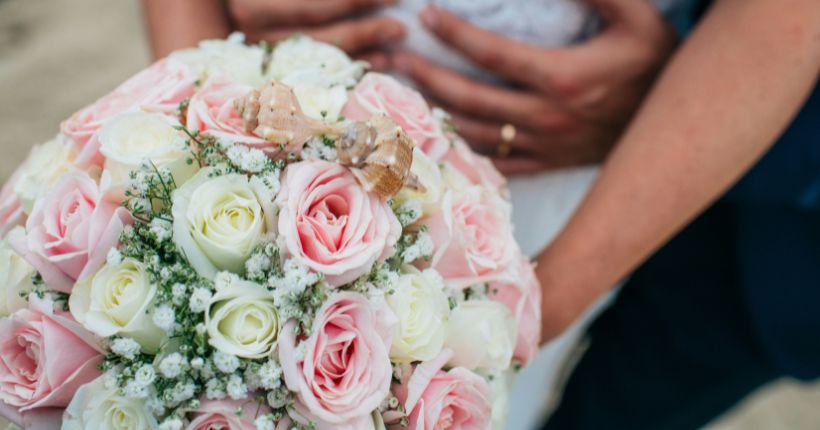
Blush and soft pink roses bring warmth without overpowering the design. They’re romantic, approachable, and endlessly flattering.
These shades are especially popular for garden, vintage, and fairytale-inspired weddings. They add softness to the bouquet and photograph beautifully in natural light, which is one reason they remain a favorite among the best roses for wedding bouquets year after year.
Red Roses
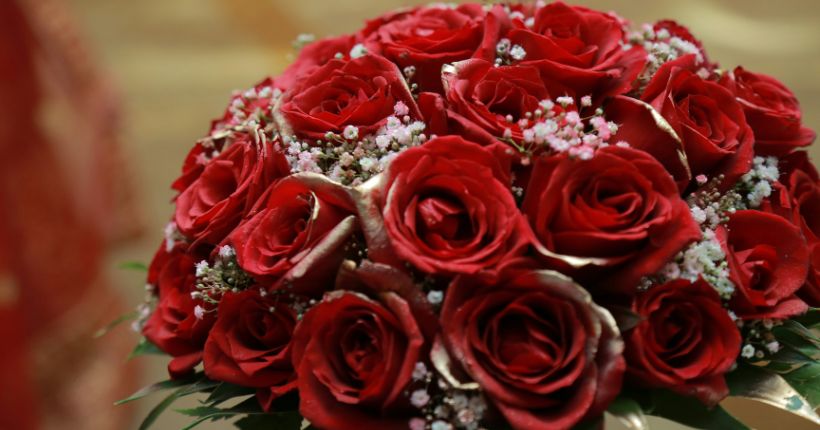
Red roses make a statement. They’re bold, confident, and unmistakably romantic.
While not every wedding leans toward red, it can be stunning when used intentionally. Deep red roses work well in evening ceremonies, formal venues, or as a dramatic accent paired with softer tones. When balanced thoughtfully, they add depth rather than drama.
Peach And Nude Roses
Peach and nude roses feel modern and understated. They bring warmth, softness, and a sense of ease to wedding florals.
These shades are especially popular for contemporary, outdoor, or neutral-toned weddings. They pair beautifully with natural greenery, dried elements, and organic textures, creating bouquets that feel relaxed but still refined.
Variegated And Specialty Roses
Variegated and specialty roses add personality. Subtle color shifts, unique markings, or artfully opened petals make these roses feel custom and design-forward.
They’re often used as focal points in bouquets or statement arrangements, especially for couples who want something a little unexpected. When incorporated thoughtfully, these roses elevate the entire design and make the bouquet feel truly one of a kind.
Conclusion
Roses work so beautifully for weddings because they’re flexible, expressive, and timeless all at once. Whether you’re drawn to soft garden roses, structured classics, or something a little unexpected, there’s a rose that fits your vision.
Understanding the types of roses for wedding bouquets helps you choose with confidence. Not just what looks good, but what feels right for your special day, your style, and the atmosphere you want to create.
In the end, the best bouquets aren’t about following rules. They’re about thoughtful choices, a cohesive look, and flowers that feel like a natural extension of the celebration itself.