
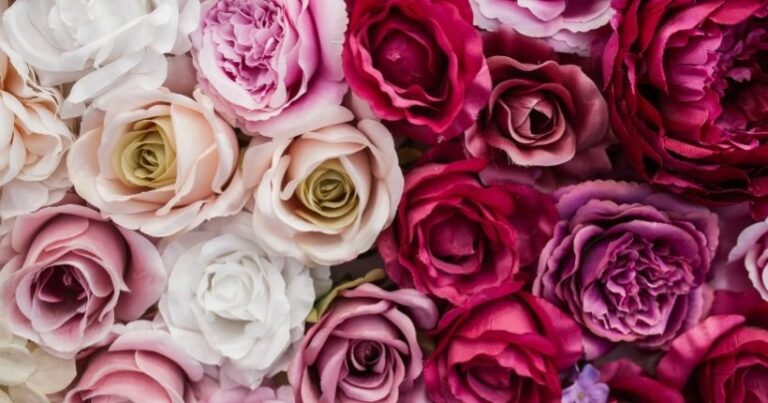
Roses are truly the queens of flowers. Visually magnificent, instantly recognizable, they carry a lot of meanings and emotions. They’re never random. A single stem can feel intimate. A full bouquet can feel bold. And almost always, there’s meaning behind the choice, even if we don’t consciously think about it.
This guide to rose flower meaning is here to clarify that meaning, not in a stiff, rule-heavy way, but in a way that feels useful and engaging. We’ll look at how roses came to symbolize love, friendship, celebration, and more, how color changes the message, and how to choose roses that feel right for real-life moments.
Whether you’re gifting, styling an event, or just curious, think of this as your friendly reference point for understanding what roses are really saying.
What Is the Meaning Of the Rose In General
The rose has meant many things over time, but at its core, it has always been about emotion. Not loud emotion. Human emotion. Love, yes, but also respect, admiration, gratitude, remembrance. A rose doesn’t just decorate a space. It says something.
Across cultures and centuries, roses became the go-to flower when feelings mattered, when words felt awkward. When moments needed care. There’s a reason roses still show up for first dates, long marriages, apologies, celebrations, and quiet goodbyes. They know how to hold weight without feeling heavy.
Beyond Beauty: The Language of Flowers
Roses are beautiful, but that’s only part of the story. What made them truly iconic was their role in the so-called language of flowers. Long before texting, people used flowers to communicate feelings they couldn’t say out loud.
A single rose could signal affection. A full bouquet could deepen the message. Even the color mattered. In the Victorian era, especially, flowers became a coded system of emotion. Roses were at the center of it, trusted to speak clearly and with intention.
That idea still holds today. When you give a rose, you’re not just handing someone something pretty. You’re choosing a symbol. You’re saying, “This moment matters enough to be thoughtful.”
Making Every Rose Count: For Gifting, Business, and Events
What makes roses so enduring is how easily they adapt to context. A rose can feel deeply personal or perfectly polished, depending on how it’s chosen.
For gifting, roses help people express emotions without needing to overexplain. A carefully chosen color can soften a ‘thank you,’ add warmth to a ‘congratulations,’ or bring comfort when words fall short.
In business and events, roses do something different. They set a tone. White roses feel calm and intentional. Pink feels welcoming. Red adds confidence and presence. The right rose choice can quietly reinforce a brand, elevate a table, or shape how a space feels without saying a word.
That’s the real meaning of the rose. It’s not fixed. It’s flexible. And when chosen with care, it always feels right.
The Rose Color Meaning Chart: A Practical Reference
If roses speak, color is their tone of voice. The shade you choose changes the message, sometimes subtly, sometimes dramatically. This rose color guide isn’t about rigid rules. Think of it as a helpful cheat sheet. A way to understand rose symbolism by color so your choice feels intentional, not accidental.
Over time, people have come to associate certain emotions with certain hues. That’s how the meaning of different colored roses took shape. And while personal context always matters, these associations are what most people instinctively read when they see a bouquet.
1. Red Roses: The Classic Symbol of Deep Love
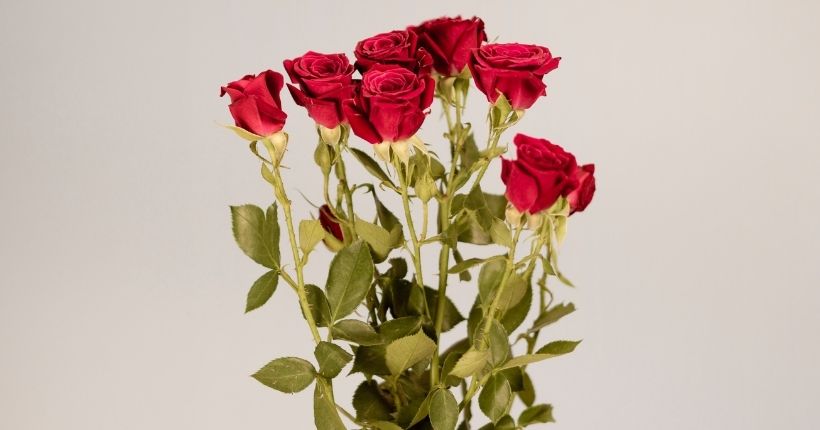
Red roses are the most direct communicators in the language of roses. They’re confident, emotionally clear, and unapologetically intense. Love, desire, devotion, respect. Red doesn’t hint. It states.
That’s why red roses still feel powerful. They’re timeless, a little dramatic in the best way, and deeply personal when chosen with intention.
When to choose red roses:
Romantic anniversaries, meaningful apologies, expressing unwavering respect, or marking a relationship that has depth and history behind it.
2. White Roses: Purity, New Beginnings, and Honor
White roses are all about clarity and calm. They represent honesty, remembrance, and fresh starts. There’s a quiet strength to them. Nothing flashy. Nothing forced.
Because of that, white roses move easily between joy and solemnity. They’re just as at home in celebration as they are in moments of reflection.
When to choose white roses:
Weddings, sympathy arrangements, honoring someone’s memory, or celebrating a new chapter or meaningful milestone.
3. Pink Roses: Grace, Joy, and Sweet Affection
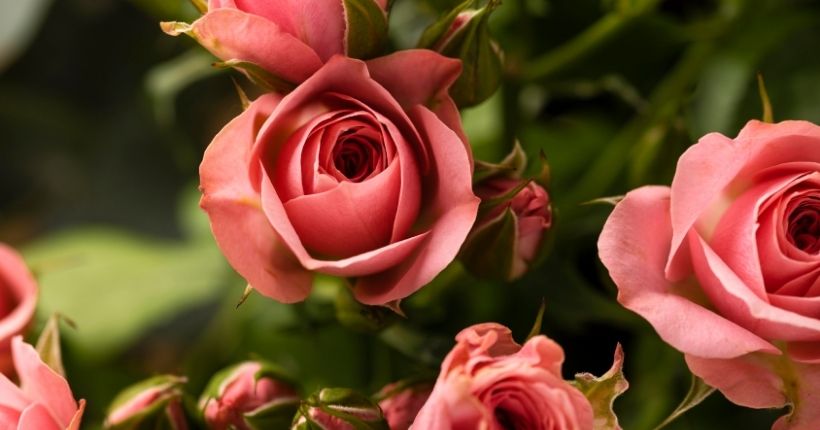
Pink roses sit in a softer emotional space. They’re warm, kind, and effortlessly charming. Think admiration, appreciation, and gentle affection rather than full-on romance.
They’re often chosen when you want to say something heartfelt without overwhelming the moment. Easy to give. Easy to receive.
When to choose pink roses:
First dates, congratulations, thank-you gifts, celebrating achievements, or showing admiration that feels sincere but not romantic.
4. Yellow Roses: Friendship, Joy, and Good Health
Yellow roses bring lightness into the room. Historically, they’ve had mixed interpretations, but today they’re firmly associated with friendship, optimism, and positive energy.
They feel social. Supportive. Like a little burst of sunshine when someone needs it most.
When to choose yellow roses:
Cheering up a friend, celebrating success, sending get-well wishes, or marking happy moments that call for warmth without romance.
5. Orange Roses: Passion, Energy, and Fascination
Orange roses are bold without being traditional. They sit somewhere between red and yellow, combining intensity with enthusiasm. Passion, excitement, creativity. They’re expressive and full of movement.
These are roses for moments that feel dynamic and forward-looking.
When to choose orange roses:
Creative projects, bold romantic gestures, expressing fascination, or celebrating moments that feel energetic and expressive.
6. Lavender or Purple Roses: Enchantment and Majesty
Lavender and purple roses carry a sense of mystery. They’ve long been associated with enchantment, uniqueness, and that unmistakable feeling of being captivated.
They’re less common, which is part of the appeal. Choosing purple roses often signals thoughtfulness and individuality.
When to choose purple roses:
Signifying love at first sight, celebrating unique achievements, honoring individuality, or adding a refined, almost regal touch to events.
7. Peach Roses: Sincerity, Gratitude, and Modesty
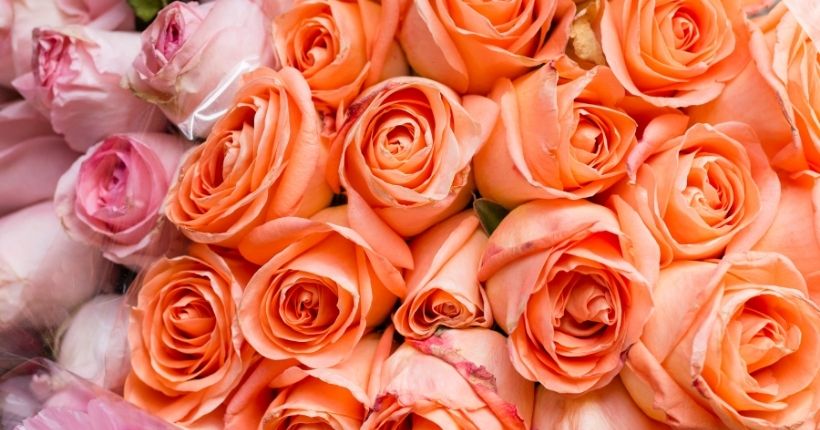
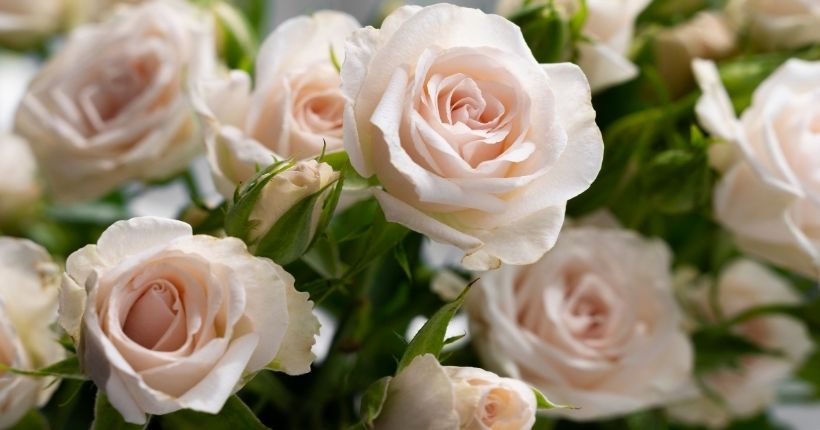
Peach roses are understated and deeply genuine. They communicate appreciation, trust, and warmth without drama. If there’s a rose that feels effortlessly polite and emotionally balanced, this is it.
They’re especially popular in professional or transitional moments where sincerity matters most.
When to choose peach roses:
Closing a business deal, offering a sincere thank you, or giving a gift that communicates authenticity and good intentions.
Taken together, this rose meanings chart shows just how nuanced roses can be. Color adds context. It shapes the message. And when you understand rose color meanings, choosing the right bouquet becomes less about guessing and more about expressing exactly what you want to say.
Cultural Background and History of Rose Symbolism
Roses didn’t become meaningful by accident. Long before they were a go-to gift, they were loaded with symbolism, stories, and emotion. To really understand what roses symbolize today, it helps to look at where all those associations came from.
Ancient Roots: Love, Beauty, and Myth
Some of the earliest rose symbolism shows up in mythology. In ancient Greek and Roman cultures, roses were closely tied to the gods and goddesses of love and beauty. Aphrodite. Venus. Desire, attraction, devotion. The rose quickly became shorthand for all of it.
That connection helped shape the rose’s meaning in love and friendship as something powerful and emotionally charged. Giving a rose wasn’t casual. It was intentional. Even then, it signaled admiration, longing, or deep respect.
Different cultures picked up on that symbolism in their own way. Over time, roses became a shared emotional language across regions, even as interpretations shifted slightly from place to place. That’s one reason rose symbolism in different cultures feels both familiar and nuanced at the same time.
The Victorian Era And the Language of Flowers
Fast forward a few centuries, and roses took on a whole new role. During the Victorian era, emotional expression wasn’t exactly encouraged in public. So people got creative.
Enter floriography, also known as the language of flowers. Bouquets became coded messages. Colors, quantities, and combinations all mattered. Victorian flower language roses were especially important because they could express everything from secret admiration to heartbreak, all without a single word spoken.
It was romantic, a little dramatic, and surprisingly detailed. A rose could say what a letter couldn’t. And that idea stuck.
How Rose Meanings Evolved Over Time
Not every rose meaning has stayed the same. Some colors have had reputation makeovers. Yellow roses, for example, were once linked to jealousy or suspicion. Today, they’re far more likely to be read as symbols of friendship, joy, and positivity.
That evolution matters. It shows how symbolism adapts to cultural shifts and changing values. While history gives us context, modern rose meanings are shaped just as much by how we live, love, and communicate now.
In the end, rose symbolism isn’t fixed or fragile. It’s flexible. Rooted in history, yes, but always evolving. And that’s exactly why roses still feel relevant, meaningful, and easy to give, no matter the moment.
Pro Tips for Applying Rose Meanings in Real Life
Knowing what roses symbolize is one thing. Using that knowledge well is another. These simple tips help turn symbolism into something practical, personal, and surprisingly easy to get right.
Combining Colors for a Complex Message
Sometimes one feeling isn’t enough. That’s where mixing rose colors comes in. Combining shades lets you layer meaning and create a message that feels more nuanced.
Red and white roses together often signal unity. Passion paired with sincerity. Pink and yellow feel light and joyful, perfect for friendly celebrations or happy milestones. White and peach can communicate respect with warmth, while orange mixed with pink adds energy without going full drama.
Think of it like styling an outfit. One color sets the tone, but the mix is what makes it interesting.
Consider the Number of Stems
The number of roses matters more than people realize. It adds a quiet layer of intention.
A single rose is simple and focused. It says, “This is about you.” Half a dozen feels thoughtful and balanced. A dozen roses is the classic statement, often read as commitment, appreciation, or deep affection.
You don’t need to memorize a rulebook. Just know that numbers, like colors, subtly shape how the message lands.
For Business and Branding: What Your Rose Choice Says
Roses aren’t just for personal moments. They play a big role in business, branding, and events, too.
White roses are often used in luxury settings because they feel clean, refined, and intentional. Yellow roses bring approachability and optimism, which is why they work well for welcoming spaces or celebratory brand moments. Orange roses signal creativity and momentum, making them a favorite for launches, design-forward events, or bold tablescapes.
In these settings, roses become part of visual language. They help communicate values without spelling anything out. When chosen well, they make a space feel considered, cohesive, and quietly confident.
Conclusion
Roses have lasted this long for a reason. They’re expressive without being overwhelming. Thoughtful without being complicated. And endlessly adaptable to different moments, moods, and relationships.
Understanding the rose’s flower meaning doesn’t mean following strict rules. It simply helps you choose with more confidence. A color that fits the feeling. A gesture that feels considered. A bouquet that quietly says what you want it to say.
At the end of the day, the best rose is the one that feels intentional. Chosen with a little care. Given with a little heart. And remembered long after the flowers have opened.