Every flower has its peak season, just as people have their favorite time of the year. But roses, they’re something special. They are the flowers that have the most extended flower season, blooming all year except freezing winter months.
That means that if you live in a climate with no minus degrees, you might get to enjoy roses all year round. Let’s discover the prime rose flower season and whether there’s a way for growers to enhance it.
What Is The Rose Flower Season
The rose flower season is when roses grow, bud, and bloom. Unlike some flowers that appear briefly and disappear just as fast (e.g., tulips), roses move in cycles.
They bloom, pause, regather energy, and bloom again, which is the rhythm that makes roses enduring and loved. Although timing varies with climate and variety, rose season generally stretches from spring through fall, with alternating periods of intensity and rest.
Main Rose Flowering Periods By Season
Roses respond to light, temperature, and care. Each season brings different growth energy, from first bloom to winter dormancy.
Spring Bloom: The Start Of The Rose Season
Spring is when the rose flower season truly begins. After months of rest, roses wake up as temperatures rise and daylight increases. The first major flush (a large burst of blooms) typically arrives between May and June, depending on location.
Early-season roses are most vibrant. Colors are richer, petals are fuller, and the fragrance is strongest. Plants are fresh and eager to bloom. For gardeners, this is the year’s peak moment: healthy growth, strong stems, and abundant buds indicate a strong start.
Early spring care matters here. Proper pruning, feeding, and sunlight set the tone for everything that follows.
Summer Bloom: Peak Flower Production
Summer marks the most consistent phase of the rose flower season. With longer days and warmer temperatures, roses continue to produce blooms, often in steady waves.
Heat shapes rose behavior. In moderate warmth, blooms are frequent and reliable; in intense heat, flowers open faster, appear smaller, or fade quickly. This response is environmental, not a sign of struggle.
Water becomes especially important during this time. Deep, regular watering helps roses maintain energy and encourages ongoing blooming.
Mulching and morning watering can make a noticeable difference in keeping plants healthy through peak summer months.
Fall Bloom: The Final Flush Before Dormancy
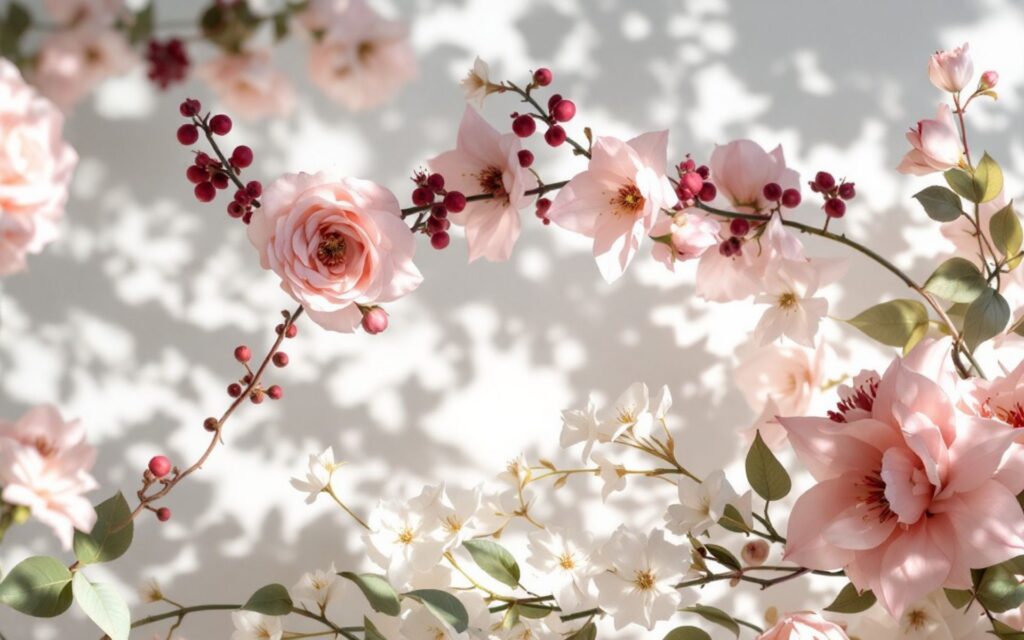
As summer cools, many roses offer one last bloom. September and October bring a softer, slower phase of the rose flower season.
Fall blooms tend to grow more slowly, and colors may appear more muted or nuanced. There is a quiet beauty to them. The pace slows, but the charm remains. This is the season of fewer flowers, but more presence.
Fall is for preparation. Gardeners reduce feeding and prioritize plant health over new growth. The transition is gentle, not abrupt.
Winter Rest: Dormancy Season
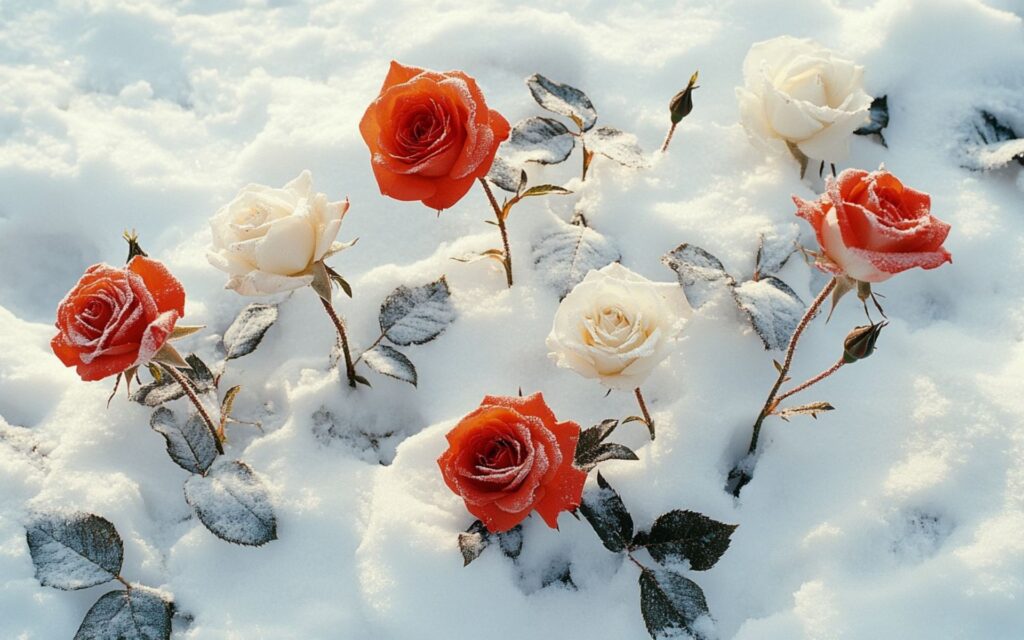
Winter is outside the rose flower season. Most roses stop blooming in the cold and enter dormancy. This rest is essential, helping the plant conserve energy for the next growing cycle.
In warmer or tropical climates, roses may continue to bloom lightly through winter, though at a slower pace. Even then, the plant is still operating differently, conserving strength rather than pushing new growth.
Dormancy is not inactivity. It is recovery. And without it, the next rose flower season would never be as strong.
Types Of Roses And Their Blooming Seasons
The rose flower season varies depending on the rose type.
Some varieties bloom for months; others focus energy into one spectacular, short period. Knowing these patterns helps gardeners plan gardens or select roses for each season.
1. Hybrid Tea Roses: Repeat Bloomers With Long Seasons
These roses are best known for their classic shape and reliable blooming rhythm. Once they start flowering in late spring, they continue in cycles through summer and into early fall, producing one refined bloom per stem.
They thrive with regular care and respond to pruning, which encourages growth and repeated flowering.
Famous for: long stems and sculpted blooms
Seasonality: late spring through early fall
Bloom pattern: repeat blooming
Fragrance: moderate, varies by variety 3/5
2. Floribunda Roses: Continuous Blooming Cycles
Floribundas bring volume and color to the garden. Instead of single rose blooms, they flower in clusters, creating a sense of abundance that lasts for months.
Their bloom cycles overlap, so new buds form even during short pauses, making floribundas a consistent presence all season.
Famous for: clustered blooms and steady color
Seasonality: late spring through fall
Bloom pattern: continuous cycles
Fragrance: light to moderate 2/5
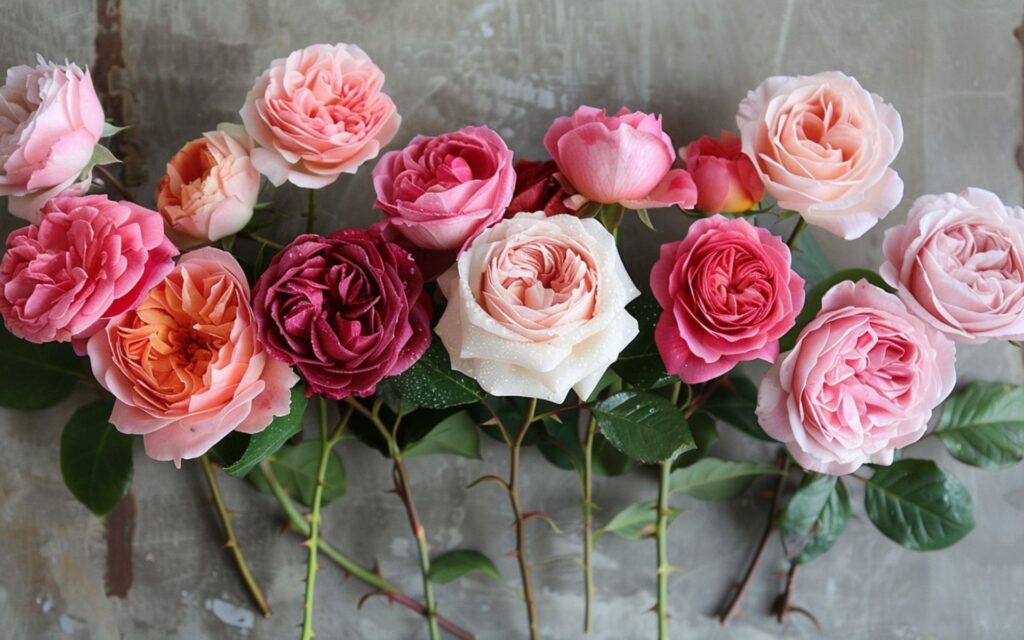
3. Grandiflora Roses: Large And Long Lasting Blooms
With tall growth and bold flowers, grandifloras offer drama without excess. Blossoms often appear in small clusters, striking a balance between size and structure.
They repeat bloom like hybrid teas, providing a strong visual impact throughout the warmest months.
Famous for: large blooms and height
Seasonality: late spring through early fall
Bloom pattern: repeat blooming
Fragrance: moderate 3/5
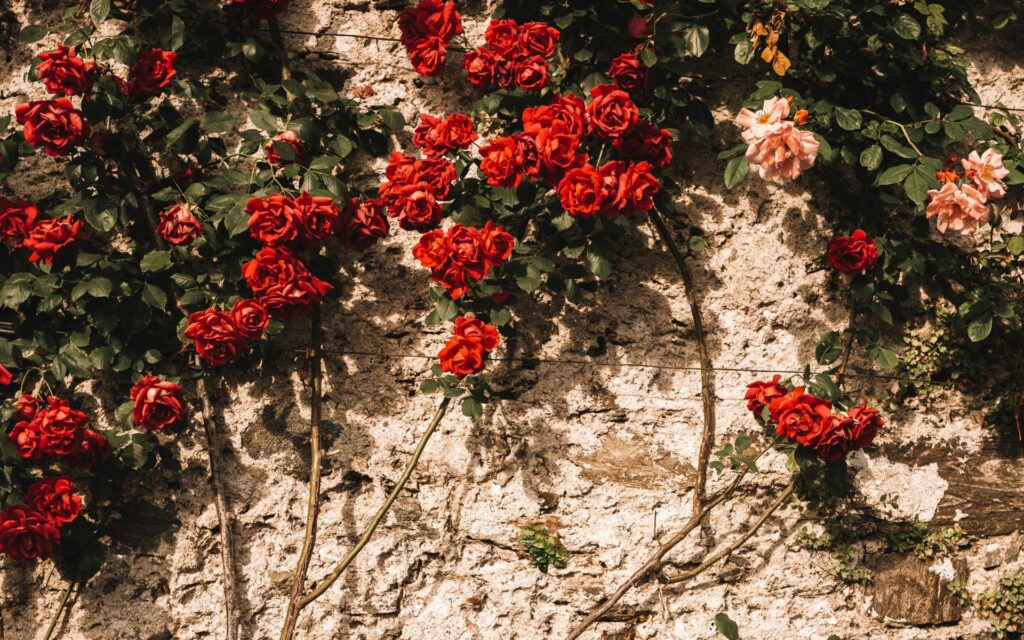
4. Climbing Roses: Seasonal Flushes With Strong Summer Blooms
Climbing roses focus energy on major seasonal blooms. The main flush arrives in late spring or early summer, covering vertical spaces.
Some modern varieties re-bloom lightly later in the season, though the first bloom remains the most impressive.
Famous for: dramatic vertical coverage
Seasonality: late spring to early summer
Bloom pattern: one main flush, some repeat
Fragrance: light to moderate 2/5
5. Shrub And English Roses: Extended Bloom Season
These roses feel romantic and expressive, with full, layered petals and a strong garden presence. Their blooming happens in waves, starting in late spring and continuing into fall.
They may slow during intense heat, but cooler weather renews flowering and extends their season.
Famous for: old-world form and charm
Seasonality: late spring through fall
Bloom pattern: repeat blooming
Fragrance: strong in wide varieties 4/5
6. Old Garden Roses: Once Blooming In Early Summer
Old garden roses take a different route. Most bloom once, typically in early summer, producing a rich and fragrant display.
Their short season is intentional. These roses bloom in a grand moment, then rest for the year.
Famous for: intense fragrance and character
Seasonality: early summer
Bloom pattern: once blooming
Fragrance: very strong 5/5
How Climate And Location Affect the Rose Flower Season
The rose flower season doesn’t follow the calendar, but rather responds to temperature, sunlight, and local weather conditions. Roses bloom best when within their comfort zone.
Once you know what your climate is asking of them, everything becomes easier.
Cold Climates
Cold regions keep roses cautious. Blooms typically start later in spring, often in late May or early June, after the frost has ended.
In return, quality increases. Cooler nights deepen color, fill petals, and strengthen fragrance. The season is shorter, but each bloom has more impact.
Warm And Mild Climates
Mild climates are where roses relax. With gentle winters and steady temperatures, the rose flower season can begin early and last for a long time.
Blooms may appear from March well into fall. Roses here cycle smoothly, with fewer breaks and more consistent blooms. Some may bloom lightly in warm winters.
In these areas, roses seem to be on an extended holiday.
Hot And Dry Regions
Heat changes everything. In hot, dry areas, roses bloom early and vigorously in the spring, then slow down after the summer peaks.
Flowers open and fade faster in extreme heat. This is not a failure, but a form of survival. The rose season arrives in waves: strong spring blooms, a summer pause, and a fall return.
Deep watering, mulching, and a little afternoon shade go a long way in helping roses thrive.
How To Extend Your Rose Flower Season
A long rose flower season comes from consistent habits, not dramatic changes. Keep the plant healthy and comfortable to encourage more blooms.
Regular Deadheading
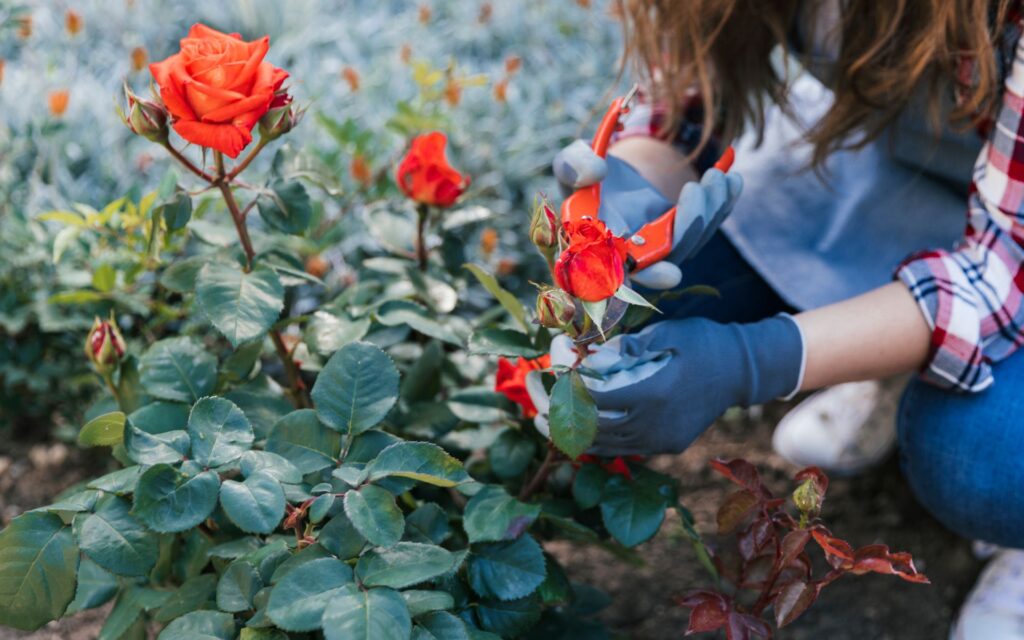
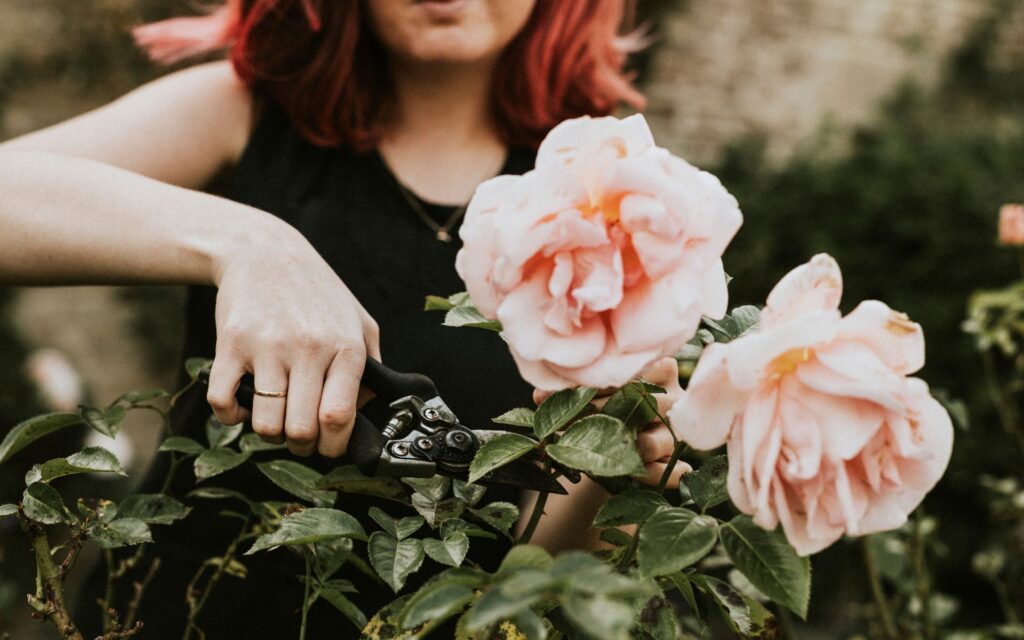
Deadheading is one of the most effective ways to extend blooming, and it is a basic tip for taking care of flowers in general. Deadheading refers to removing faded or spent flowers from a plant. When spent flowers remain on the plant, roses shift their energy toward seed production.
Removing faded blooms redirects that energy back into producing new buds.
It also keeps the plant looking tidy and encourages faster reblooming. This is especially important during peak season, when roses are cycling quickly.
Proper Pruning Techniques
Pruning sets the tone for the entire rose flower season. Pruning involves cutting back specific stems or branches to shape the plant and promote healthy growth. Done right, it keeps roses healthy, open, and motivated to bloom.
- Start strong in early spring by removing dead or damaged wood and any thin, weak stems. This clears space for new growth and improves airflow.
- Cut just above an outward-facing bud to encourage stems to grow away from the center of the plant rather than inward.
- During the season, keep it light. Focus on shaping and removing spent or crossing stems rather than cutting back heavily.
- Avoid major pruning during peak bloom. Heavy cuts while the plant is actively flowering can slow down new bud production.
- Think of pruning as guidance, not control. The goal is to help the rose grow confidently, rather than constantly resetting it.
Adequate Sunlight And Water
Roses are not subtle about what they need. If blooming slows, this is typically the reason.
- Aim for at least six hours of direct sunlight each day. Morning sun is especially valuable, helping dry leaves and reducing stress.
- In hot climates, morning sun with light afternoon shade can prevent blooms from fading too quickly.
- Water deeply rather than frequently. A slow, thorough soak encourages strong roots that support longer blooming cycles.
- Early morning watering is best, especially in summer. It gives plants time to absorb moisture before the heat sets in.
- Shallow or inconsistent watering often leads to fewer blooms and tired-looking plants.
Fertilizing At The Right Time
Feeding roses helps sustain blooming, but timing is crucial.
- Fertilize during active growth, especially after a major flush of flowers when the plant is preparing for the next round.
- Select balanced fertilizers specifically designed for roses or flowering plants to support both growth and blooming.
- Ease off late in the season. Feeding too late encourages leafy growth when the plant should be slowing down.
- More is not better here. Over-fertilizing can result in beautiful leaves and a lack of flowers.
Choosing Long Blooming Rose Varieties
If a long rose flower season is your goal, this is where you win it. Some roses are naturally generous and continue to produce, while others bloom once and then decline.
Look for labels such as repeat-blooming, continuous blooming, or everblooming when selecting plants. In general, floribundas, many shrub and English roses, and modern hybrid teas tend to bloom in waves from spring through fall.
If you live somewhere with hot summers, choose varieties described as heat-tolerant or disease-resistant, as stressed plants require more frequent watering.
If you want steady color with less fuss, go for roses that bloom in clusters; they often rebound faster after each flush. If fragrance is important to you, check the variety specifically. A long bloom season does not always mean a strong scent.
Rose Flower Season For Cut Flowers And Bouquets
Cut roses live in a different world than garden roses. Here, the rose flower season matters because it influences freshness, variety, and yes, what you pay.
Best Time Of Year For Fresh Cut Roses
For the widest variety and peak freshness, look for roses during late spring through early fall, when production is naturally at its strongest.
Spring often brings roses that feel especially vibrant, with petals that open beautifully and a scent that shows up more confidently. Fall can be wonderful too, especially for richer tones and that softer, moodier look people love for seasonal styling.
How Season Affects Rose Pricing And Availability
When roses are in peak season, supply tends to be higher, which usually means better availability and a wider range of colors and stem lengths.
Around major gifting holidays, like Valentine’s Day and Mother’s Day, demand spikes and pricing often follows, even if roses are technically available year-round.
Weather disruptions can affect availability, too. Heavy rain, extreme heat, or shipping delays can reduce what’s on the market, even during the “right” season.
How To Keep Cut Roses Fresh Longer
- Start with a clean vase. Bacteria are the enemy of long-lasting roses.
- Trim stems at an angle, ideally right before placing them in water.
- Remove any leaves that would sit below the waterline.
- Change water every two days, and give stems a quick re-trim if they start looking tired.
- Keep roses away from direct sun, heat sources, and fruit bowls. Ripening fruit releases gases that can speed up wilting.
Common Questions About Rose Blooming Season
Do Roses Bloom All Year?
Some roses can bloom almost year-round in warm, mild climates, especially when they’re well cared for. In cooler regions, most roses follow a natural cycle of blooming from spring through fall, then entering a period of rest in winter. That pause is normal and necessary, not a sign that something is wrong.
Why Are My Roses Not Blooming?
When roses stop blooming, it’s usually about conditions, not effort.
Too little sunlight is the most common reason. Roses also slow down if they’re getting too much nitrogen, dealing with heat stress, or not being watered consistently. Sometimes it’s as simple as leaving spent blooms on the plant, which tells the rose it can stop producing flowers.
Which Roses Have The Longest Bloom Season?
Roses that bloom the longest are usually repeat bloomers. Floribundas, many shrub and English roses, and modern hybrid teas tend to flower in waves from late spring through fall. Older garden roses, while beautiful, often bloom only once and then rest for the rest of the year.
Conclusion
The rose flower season is not one single window. It’s a rhythm shaped by climate, variety, and the way the plant is cared for. Once you understand what influences blooming, roses become much easier to read and a lot more rewarding to grow, gift, and enjoy.
And if you’re choosing roses for an occasion and need help with timing, styling, or selecting the right look, please reach out through our contact form. We’ll help you find a bouquet style that feels perfectly in season and completely personal.